
HOW TO BUILD A SIGNATURE EDITING STYLE PEOPLE RECOGNIZE

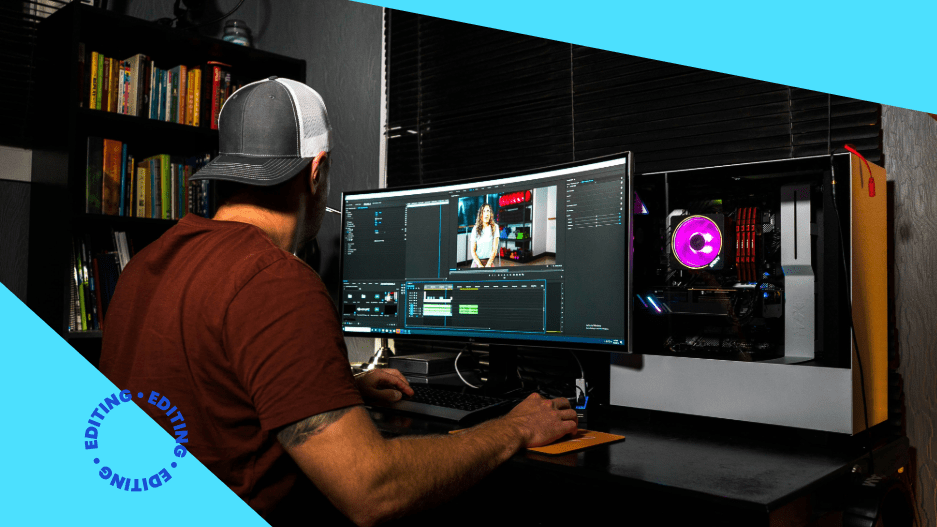
Spend enough time watching videos online and you begin to recognise certain creators before their name appears on screen. It might be the way they hold a shot for a beat longer than expected, the colours they return to, or the way music enters just before the story shifts direction. None of these decisions seems especially dramatic on its own, yet together they create something familiar. The content starts to feel unmistakably theirs.
That is the real value of a signature editing style. It is not a collection of flashy transitions, nor is it a fixed formula that every video must follow. It is a creative language built from repeated choices: how quickly you cut, how much space you leave around dialogue, which colours feel natural to your work, and what kind of sound belongs in the world you are creating.
A recognisable style usually develops slowly. In fact, many creators discover it only after looking back at their work and noticing the decisions they have been making instinctively all along.
Your Editing Style Is More Than a Visual Choice
Editing is often discussed as though it begins and ends with the image, but viewers experience a video as a whole. The cut, the colour, the music, the silence and the graphics all work together to shape how a moment feels. Remove one element and the emotional tone can change completely.
Imagine a simple sequence of someone walking through a city at night. Cut it quickly, add a driving electronic track and increase the contrast, and the scene may feel urgent or restless. Let the shots breathe, soften the colour and introduce a sparse piano arrangement, and the same footage becomes reflective. The location has not changed. The story has changed because the edit has told us how to read it.
This is why a signature style should never be treated as decoration. It is part of the storytelling itself. When your visual and sonic choices begin to feel consistent, audiences learn what kind of experience to expect from your work, even when the subject changes from one video to the next.
Start by Defining the Feeling, Not the Look
It is tempting to begin with a preset, a transition pack or a folder of references from creators you admire. Those things can be useful, but they are not a strong foundation on their own. A more useful starting point is to ask what you want the audience to feel while they are watching.
Perhaps your work should feel calm and observational, as though the viewer is being invited into a private moment. Perhaps it should feel energetic, playful or slightly unpredictable. A documentary creator may want the edit to feel restrained and honest, while a fashion creator might prefer something more stylised, rhythmic and controlled.
Once the emotional direction is clear, practical choices become easier. A calm tone might lead you towards longer shots, natural sound and understated typography. A brighter, more energetic approach may call for sharper cuts, stronger graphic movement and music with a more immediate pulse.
The important thing is that the technique follows the feeling. When the process works the other way around, videos can become crowded with effects that look impressive but add very little to the story.
The Creative Decisions That Shape Your Style
Most recognisable editing styles are built from a relatively small group of decisions made consistently. You do not need a complicated system, but it helps to understand which elements are doing the most work.
Pacing is often the clearest signature. Some creators move quickly, cutting on gestures, beats or changes in expression. Others allow scenes to breathe with longer shots and deliberate pauses. Neither approach is inherently stronger. What matters is whether the rhythm suits the subject and feels natural across your body of work.
Colour creates continuity. A consistent grade can make videos filmed months apart feel as though they belong to the same creative world. Different lighting conditions will always require different treatment, but preserving a recognisable mood helps viewers identify your work.
Typography and graphics create visual habits. The same font, caption placement or title animation, used consistently, can quietly become part of your creative identity. Viewers may not consciously notice those details, but they recognise the overall feeling they create.
Transitions work best when they feel motivated. Rather than collecting transitions for their own sake, think about how each one helps move the viewer through the story. The strongest edits often feel effortless because every decision has a purpose.
Music Can Become Part of Your Creative Fingerprint
Music is one of the quickest ways to change the personality of an edit. It influences pacing, emotion and atmosphere, often shaping how viewers experience a story before a single word is spoken.
This does not mean every video should sound the same. Instead, think about developing a consistent sonic character. You may naturally gravitate towards warm indie tracks, understated electronic textures or acoustic arrangements. The genre can vary while the emotional identity remains familiar.
Curated collections such as Perfect for Vlogs, Indie and Lofi can provide useful reference points when defining the overall sound of your content.
Music is only one part of the experience. Natural ambience, room tone and carefully placed sound effects can add depth, while moments of silence often make the return of music feel even more impactful.
Why the Best Creators Do Not Chase Every Trend
Trends introduce new ideas, but they should never define your creative identity. The creators with the most recognisable editing styles are rarely the ones trying every new effect. Instead, they borrow selectively, keeping only the techniques that genuinely strengthen their storytelling.
That restraint is often what makes their work feel confident. Rather than following the platform, they create a style that audiences begin to associate with them.
How to Develop Your Style Without Copying Someone Else
Every creator starts by taking inspiration from work they admire. The important distinction is understanding what makes that work effective rather than trying to recreate it shot for shot.
Instead of copying a transition or colour grade, ask yourself why it works. Is it the pacing? The simplicity? The way music is introduced? Once you understand the principle behind a creative decision, you can adapt it in a way that feels authentic to your own work.
Over time, those influences begin to merge with your own instincts, creating something that feels original rather than familiar.
Final Thoughts
A signature editing style is not something you discover overnight. It develops gradually through repetition, experimentation and a willingness to refine your creative decisions over time.
The goal is not to make every video look identical. It is to create a viewing experience that feels consistent, recognisable and unmistakably yours. When your pacing, visuals, typography and music all support the same creative vision, your editing style becomes far more than a technical skill. It becomes part of your identity as a creator.