
WHY LO-FI HAS BECOME THE SOUNDTRACK OF THE INTERNET

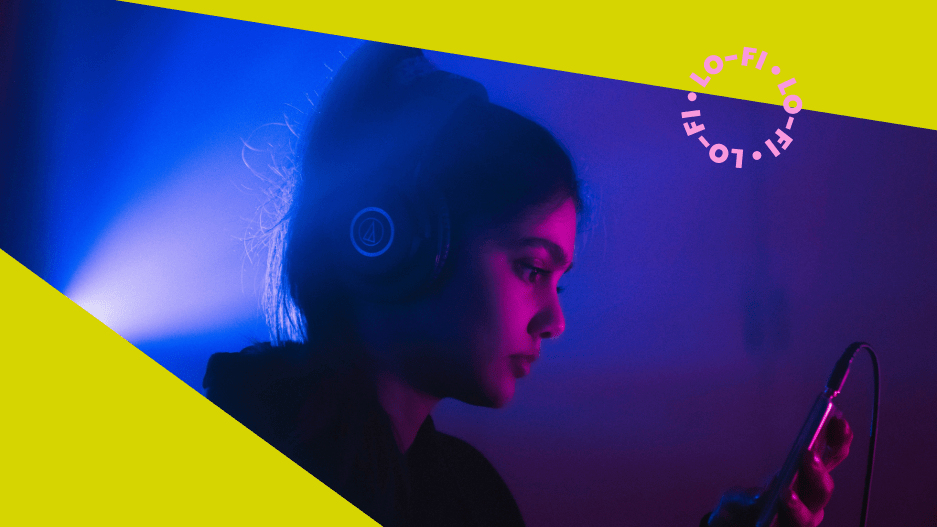
There’s a familiar ritual among Gen Z: headphones on, press play, a mellow drum loop drifting into place, and suddenly the noise of the world feels a little farther away. Lo-fi has become more than a genre. It’s the quiet heartbeat of the internet, shaping how we focus, create, and relax in an always-on digital landscape.
Where Lo-Fi Actually Comes From
Lo-fi began not as a genre but as a by-product of the tech people used. Early home recordings on cassette decks and four-track machines came with hiss, saturation, and distortion – flaws that became part of a recognisable aesthetic.
Early lo-fi culture emerged from DIY musicians in the 70s and 80s who embraced cheap equipment and tape recorders. Artists like R. Stevie Moore and Daniel Johnston unintentionally defined the aesthetic by recording raw, unpolished tracks that felt personal and immediate. In the 90s, lo-fi took on new life in indie and alternative scenes, celebrated for its authenticity.
Then came a major shift: the rise of hip-hop beat culture. Producers began sampling jazz, soul, and funk records, layering with warm vinyl textures and minimalist drum patterns. J Dilla, Nujabes, and other pioneers shaped what would become the modern lo-fi palette: swung rhythms, gentle chords, and a sense of emotional restraint. Their influence still echoes across today’s lo-fi beats, even in tracks built entirely in digital workstations (DAWs).
The Technical Anatomy of Lo-Fi
Even though the sound feels effortless, everything about lo-fi is intentional. It’s defined by a cluster of production techniques that create its signature warmth and sense of calm.
- Low-fidelity textures are created by emulating tape hiss, vinyl crackle, analog saturation, or bit-depth reduction. These imperfections soften digital sharpness and add a nostalgic layer to the mix.
- Sample-based composition is central in many tracks, drawing from jazz chords, mellow guitar lines, or piano loops stretched and filtered for warmth.
- Gentle drum patterns add a human feel that keeps the track from sounding rigid or mechanical.
The result is a sound built for easy listening: warm, unobtrusive, and capable of looping indefinitely, giving creators a dependable backdrop that stays engaging without causing fatigue.
Why Lo-Fi Feels So Nostalgic
Even though it’s now digitally produced, modern lo-fi remains focused on recreating the warmth of analog audio. Subtle imperfections like cassettes in old cars, radios humming in bedrooms, leftover static from home recordings trigger strong emotions. Psychologically, these elements create a sense of memory and safety. The sound is familiar even if you can’t pinpoint why.
Visually, lo-fi pairs naturally with calming imagery: rain on windows, cluttered desks, handwritten notes, evening city lights. These visuals act almost like cues, shaping the mood before a single word appears on screen.
Lo-Fi’s Journey Into Internet Culture
Lo-fi’s modern explosion didn’t begin on the radio or in charts, but within communities. In the early 2010s, beatmakers started uploading instrumental tracks to SoundCloud, Bandcamp, and YouTube. Their music wasn’t meant for mainstream attention. It was meant for background listening, late-night sessions, and niche friend groups.
Then livestreams changed everything. The now-iconic animated study girl became a cultural touchpoint, looping endlessly alongside chill beats that played around the clock. Viewers weren’t just listening but building rituals around it: study marathons, coding sprints, editing sessions, turning lo-fi streams into a radio equivalent for students.
Creators were quick to adopt the sound. It was neutral enough to sit under vlogs, thoughtful enough for travel content, rhythmic enough for aesthetic edits, and gentle enough for livestream commentary. And because lo-fi rarely uses vocals, it doesn’t compete with narration. Platforms like YouTube, TikTok, and Twitch accelerated this rise, as creators leaned into lo-fi’s calming quality to ease viewers into their videos.
Why Lo-Fi Has Become a Content Staple
Lo-fi has earned its place because it supports creator storytelling across nearly every niche. It blends with narration, fills negative space without clutter, and makes edits feel cohesive. And since its structure is consistent, creators can cut to it, layer around it, or loop it without worrying about sudden drops or tonal shifts that you might get in the chorus of a commercial track. It has become a tool as much as an aesthetic.
- For editors: Lo-fi helps maintain focus during long timeline passes without clashing with the audio in the project.
- For vloggers: Soft beats help glue scenes together, creating emotional continuity between moments.
- For gaming creators: Lo-fi adds warmth during calm narration segments or strategic breakdowns, balancing the intensity of gameplay clips.
- For travel storytellers: Gentle beats underscore reflective voiceovers and highlight transitional scenes.
- For livestreamers: It fills silence in a way that feels natural and welcoming, especially during long sessions.
Lo-fi has become a reliable tool for creators because it works cleanly under almost any type of footage. Whether you’re shaping a quiet moment, stitching together B-roll, or giving viewers a sense of place, lo-fi offers a sound that feels instantly lived-in. It’s straightforward, flexible, and easy to build around.