
FROM YOUTUBE TO THE BIG SCREEN

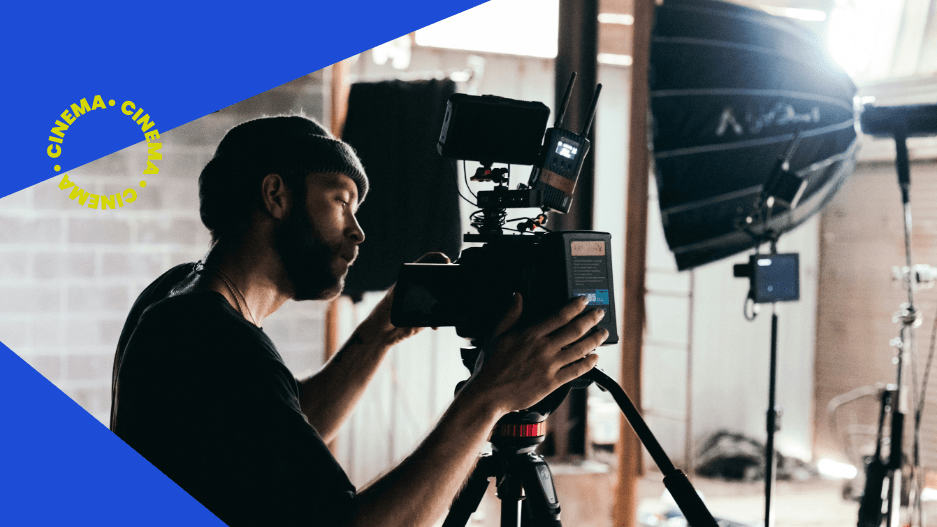
For years, YouTube creators were often viewed separately from the traditional film industry. Online creators built audiences through vlogs, commentary, sketches, challenges, and independent storytelling, while cinema remained tied to studios, broadcasters, and established production pipelines.
That distinction is beginning to fade.
Films like Obsession are part of a growing wave of creator-led cinema that reflects how entertainment is changing. Audiences no longer separate “internet creators” from filmmakers in the way they once did. Instead, creators are increasingly seen as storytellers with built-in communities, distinct creative voices, and a direct understanding of modern audience behaviour.
The shift is not happening by accident. It reflects years of evolution in how creators produce content, build trust, and develop cinematic storytelling skills on digital platforms.
Why YouTube Became a Training Ground for Filmmaking
YouTube has quietly become one of the most important creative development spaces in modern entertainment.
Creators today are learning skills that traditionally belonged to film schools or production studios:
- Narrative pacing
- Audience retention
- Cinematography
- Editing and sound design
- Character-driven storytelling
- Community building
Unlike traditional film routes, creators receive immediate audience feedback. Every upload becomes both a creative experiment and a live performance metric.
That constant refinement has produced a generation of creators who understand not just how to tell stories, but how to hold attention in an increasingly competitive media landscape.
Films like Obsession reflect this shift. The storytelling style often feels more immediate, emotionally direct, and culturally aware because creators are used to speaking closely with their audiences rather than broadcasting at them.
Creator Communities Are Changing Film Marketing
One major difference between traditional films and creator-led films is community.
Creators already have highly engaged audiences before a project launches. That changes the way films are discovered and discussed online. Instead of relying entirely on trailers, press cycles, or paid campaigns, creator-led films often grow through audience investment and conversation.
This mirrors wider industry trends. According to YouTube’s official culture and trends reporting, audiences increasingly value creators because of authenticity and long-term connection with their communities.
That audience relationship can translate naturally into cinema. Viewers are often emotionally invested in the creator’s creative journey before the film even releases.
For emerging creators, this also changes how ambitious storytelling projects become possible. A creator no longer needs to wait for traditional gatekeepers to begin building a filmmaking identity.
The Production Standard Has Changed
Another reason creator-led cinema is gaining momentum is that production quality across YouTube has evolved dramatically.
What once felt amateur now often rivals professional commercial production. Cameras are more accessible, editing software is widely available, and creators have developed highly polished visual identities.
Music has become an especially important part of this evolution.
Soundtracks and licensed music help shape emotional pacing, tension, and cinematic atmosphere. Many creators moving into longer-form storytelling are already experienced in using music strategically across short-form and long-form content.
For creators developing more cinematic projects, curated collections like Hope & Wonder, Main Character Energy, and Contemporary Classical can help establish tone and emotional consistency across scenes.
The gap between “YouTube content” and “film production” is narrowing because creators are already thinking like directors, editors, and producers.
Audiences Want More Personal Storytelling
Traditional entertainment is also adapting to changing audience expectations.
Modern viewers spend significant time watching creators who speak directly to camera, share personal experiences, and develop long-running audience relationships. That intimacy influences what audiences now expect from storytelling more broadly.
Creator-led films often carry a different emotional texture than traditional studio productions. They can feel closer, more self-aware, and more reflective of internet culture and modern communication styles.
That does not mean traditional filmmaking disappears. Instead, the lines between digital storytelling and cinema continue to blend.
For creators, this presents a meaningful opportunity. The skills developed on YouTube are no longer confined to social platforms alone. They can evolve into documentaries, scripted films, episodic storytelling, and hybrid entertainment formats.
What This Means for the Next Generation of Creators
The rise of creator-led cinema signals something larger than a temporary trend.
It suggests that creators are becoming long-term entertainment brands with the ability to move across formats and platforms. YouTube may still be the starting point, but it is increasingly part of a wider creative ecosystem.
Creators entering this space are thinking more carefully about:
- Visual identity
- Narrative structure
- Music direction
- Audience immersion
- Cross-platform storytelling
Music remains central throughout that process. Whether building tension, emotion, or atmosphere, soundtrack choices often become part of how audiences remember scenes and stories.
For creators experimenting with cinematic formats, playlists like Indie, Epic Road Trip, and Out of This World can help shape different storytelling moods while keeping projects creatively flexible.
The Future of Entertainment Is More Creator-Led
Films like Obsession highlight how entertainment is evolving toward creator-driven storytelling models that feel more connected to modern audiences.
The most successful creators today are not simply building channels. They are building worlds, audiences, and creative identities that can move fluidly between platforms and formats.
Cinema is becoming part of that journey.