
STARTING A PODCAST IN 2026: OUR PRACTICAL GUIDE

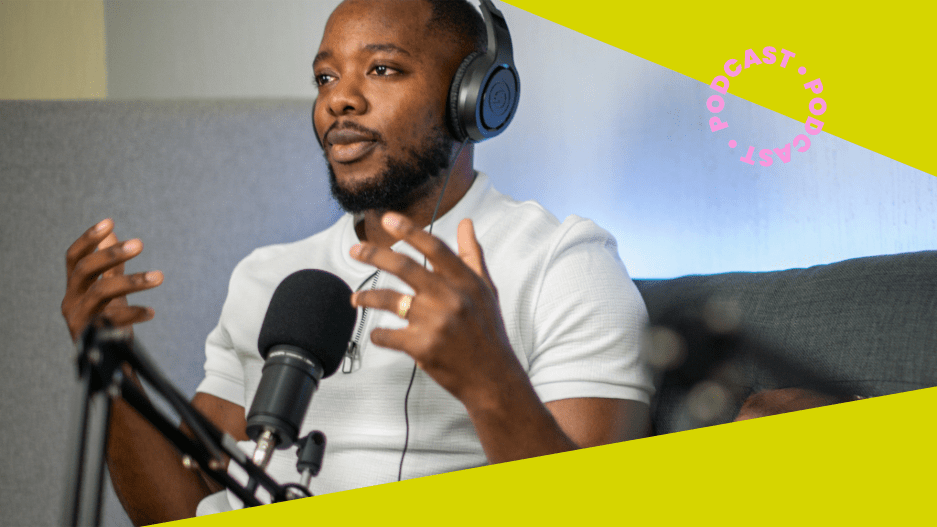
The podcast landscape has never been more accessible. The barrier to entry has never been lower, the tools have never been better, and there's still plenty of room for fresh voices. People aren't looking for the most polished show with the biggest budget - they're looking for authentic voices covering topics they actually care about.
If you've been sitting on a podcast idea and are waiting for the "right time" - this is it.
The Gear You Actually Need (And What You Don't)
Let's address the biggest misconception: you don't need thousands of dollars' worth of equipment to start a podcast that sounds professional.
While simply using a smartphone is a legitimate starting point, a USB microphone is your best move. For three great beginner options around the $100 mark, check out the RODE PodMic, Audio-Technica AT2040, and Logitech Yeti. Pair one with free recording software, and you have a pro-level foundation!
Here's what matters more than expensive gear: your recording environment. Hard surfaces bounce sound around and create echo, making your audio sound hollow and unprofessional. Soft materials absorb it. Simple DIY solutions make a huge difference: hang blankets or foam panels on walls to improve sound quality by dampening reverb.
One top tip: Always record a 30-second test before diving into a full episode. Play it back and check for issues like background noise, mic positioning, or room echo. Catching these problems early saves you from unusable recordings.
Choosing Your Format
This is where many creators get stuck. Solo commentary? Interview-based? Co-hosted conversation? Narrative storytelling?
The best format is the one you'll actually enjoy producing week after week. If you dread scheduling guests, an interview show will burn you out. If you need structure to stay on track, improvised rambling won't serve you well.
Solo shows are the simplest to launch - just you, your microphone, and your perspective. No coordination with others, no scheduling conflicts. The challenge is carrying the entire show yourself and keeping it engaging.
Interview podcasts create natural conversation and variety. Guests bring their own audiences and expertise, reducing the pressure on you to generate all the content. The trade-off is you need genuine curiosity about people and the ability to ask questions that go deeper than surface-level topics.
Co-hosted shows offer built-in chemistry and shared workload. A good co-host fills silences, offers different perspectives, and keeps energy high! The key is finding someone who matches your commitment level and shows up consistently.
Narrative or scripted shows require the most production time but can create deeply engaging content. These work well for investigative topics, true crime, or structured storytelling. Consider starting simpler unless you're already passionate about this format.
Your first format doesn't have to be permanent. Many successful podcasts evolve as creators discover what works!
Editing: Finding the Right Balance
Most podcasts are over-edited. Listeners appreciate the authenticity of genuine reactions and brief tangents, which make episodes feel human.
That said, you should remove:
- Extended silence (anything beyond 2-3 seconds)
- Major verbal stumbles and false starts
- Tangents that derail momentum
- Distracting audio like crackles or distortions.
Bear in mind that the goal is clarity and pacing, not perfection. Spending hours on micro-edits yields diminishing returns compared to investing that time into your next episode.
Marketing Your Podcast
You can spend hours perfecting your episodes, but without a strategy to get them heard, you're limiting your reach.
Consistency is everything. Choose a release schedule you can maintain. Weekly is ideal for building audience habits. Bi-weekly works. Monthly makes it harder for listeners to stay engaged. Whatever schedule you choose, stick to it. A reliable podcast that delivers consistently will outgrow a brilliant podcast with irregular releases.
Social media amplifies reach. Extract compelling moments from episodes such as insightful takes, surprising facts, and memorable quotes. Turn these into short-form videos for TikTok, Instagram Reels, and YouTube Shorts - the best way to build discovery in 2026!
Descriptive titles drive clicks. "Episode 47" gives potential listeners no reason to engage. "Why Traditional Productivity Advice Fails (And What Actually Works)" tells them exactly what to expect and why it matters.
Engage with your audience. Respond to comments and messages. Ask for feedback. Create channels for listener questions or topic suggestions. Early listeners become advocates when they feel valued and heard.
Technical Essentials That Make the Difference
Distribute everywhere. Use a podcast hosting service like Buzzsprout, Spotify for Creators, or Libsyn to automatically distribute to Spotify, Apple Podcasts, Google Podcasts, Amazon Music, and other platforms simultaneously.
Quality intro and outro music matters. Don’t use low-quality music. Make sure to hook in your listeners from the very first second with engaging, purpose-made music for podcasting.
Transcripts serve multiple purposes. They improve search engine optimization, make content accessible to deaf and hard-of-hearing listeners, and allow people to search episodes for specific information.
Podcast artwork must work at thumbnail size. If potential listeners can't immediately understand what your show is about from that small square in their podcast app, redesign it.
Take the First Step
Most podcasters never launch because they're waiting for ideal conditions that don't exist.
If you've been planning a podcast, record episode one this week. Use whatever equipment you have. Don't aim for perfection - aim for publication.
The fastest way to improve is to release something, get feedback, and iterate. Episode two will be better than episode one. Episode ten will be better than episode two.
Your audience is already listening to podcasts. Give them yours.